The short answer
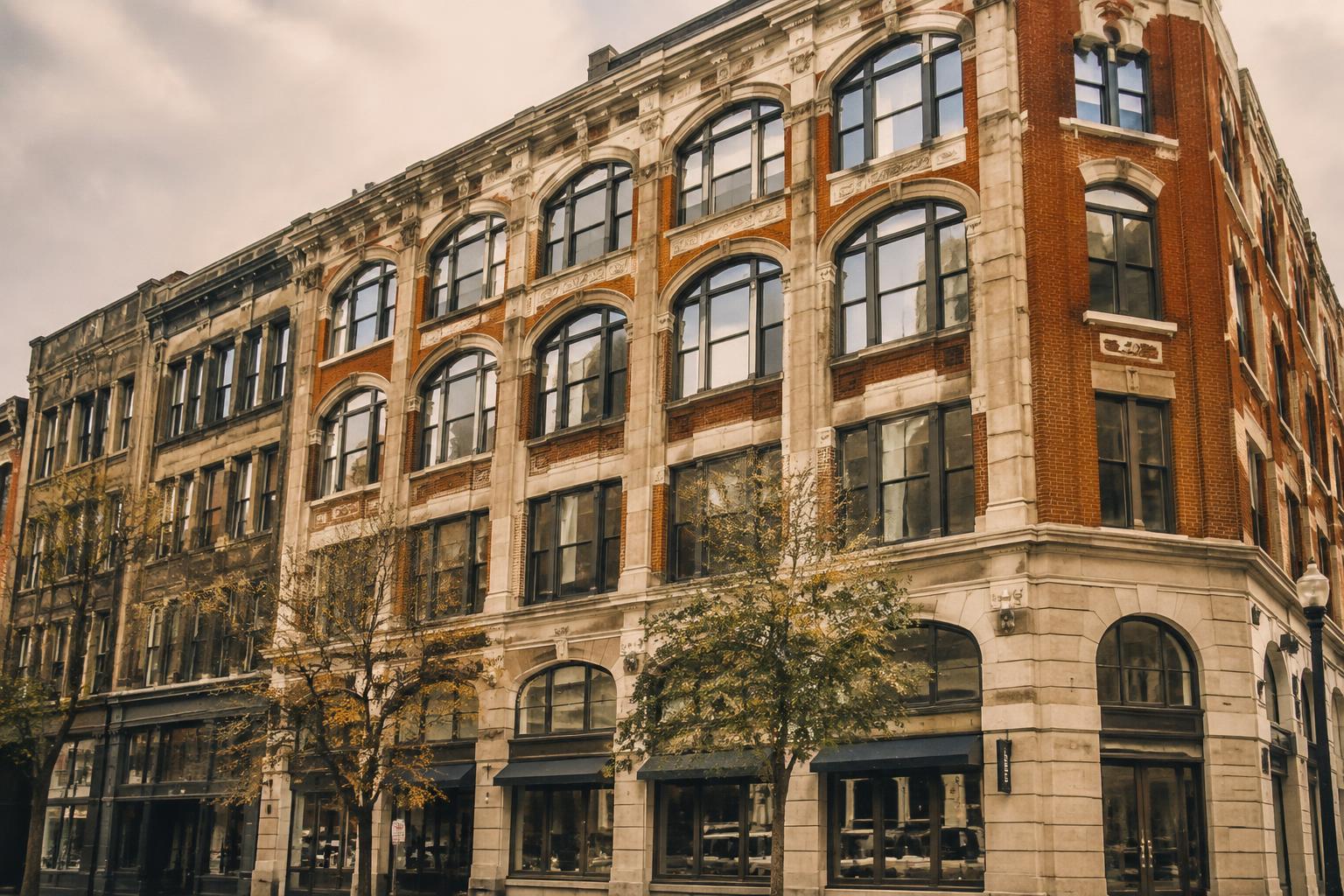
Adaptive reuse is the practice of converting an existing building to a new use instead of demolishing it. In downtown Scranton, where much of the building stock dates to the city's coal-and-rail era, it is one of the most practical ways to bring upper floors, storefronts and street life back into active use.
What adaptive reuse means
Adaptive reuse keeps a building's structure and character while changing what happens inside it. A department store becomes apartments and offices; a warehouse becomes a restaurant; a bank hall becomes an event space.
It is different from restoration, which aims to return a building to its original appearance and use. Adaptive reuse accepts that the original use is gone and asks what the building can do well today.
Why historic buildings are reused
Older downtown buildings were often built with heavy masonry, tall ceilings, large windows and prominent street frontage — qualities that are expensive or impossible to replicate in new construction.
- The structure already exists, so the project avoids demolition and much of the embodied material cost of a new building.
- Character — facades, detailing, scale — gives a property a sense of place that tenants and visitors respond to.
- Reused buildings keep the continuity of a street, which matters for walkability and for the district as a whole.
- Qualifying historic properties may be eligible for federal and state historic tax credit programs, subject to the rules of those programs.
Why reuse projects are often mixed-use
Large historic buildings rarely suit a single modern tenant. Splitting a building into ground-floor retail or restaurant space, offices, apartments and hospitality spreads the floor area across uses that each fit a part of the building well.
The result is a building that is active at different times of day — residents in the evening, office users in the daytime, visitors on weekends — which supports the businesses inside it. See our guide on mixed-use development for more.
The challenges
Adaptive reuse is not the easy option. Older buildings bring hidden conditions and code requirements that new construction does not.
- Structural, mechanical and life-safety systems usually need substantial upgrades to meet current code.
- Accessibility, egress and fire separation between uses must be designed into an existing layout.
- Environmental conditions common to older buildings may require remediation.
- Historic review, where it applies, can shape what may be changed on facades and interiors.
- Financing is often layered, combining conventional debt with incentive programs, which adds time and complexity.
The downtown Scranton context
Downtown Scranton grew around anthracite coal, the railroads and the commerce they supported. Lackawanna Avenue and the blocks around Courthouse Square still hold many of the substantial masonry buildings from that period.
As retail patterns changed, many of those buildings lost their original tenants. Converting them to apartments, offices, restaurants and entertainment has become a central part of how the downtown is being repositioned.
A D&D example: the Oppenheim Building
D&D Realty Group's Oppenheim Building at 409 Lackawanna Avenue is a historic downtown property repositioned as a mixed-use building. Public listings describe it at roughly 190,000 square feet with retail and restaurant space, apartments, offices and rooftop event space.
The building is also home to 7 Under Golf & Social and The Roof at Oppenheim — hospitality and entertainment uses that bring visitors into the building alongside residents and office tenants. We describe the building here only as far as is publicly established; we do not publish budgets or occupancy figures.
Frequently asked questions
Is adaptive reuse cheaper than new construction?
Not always. It avoids demolition and reuses the structure, but upgrading older systems and meeting current code can be costly. The value usually comes from location, character and speed to a finished product rather than a guaranteed lower cost.
What kinds of buildings work best for adaptive reuse?
Buildings with sound structure, good floor-to-ceiling heights, generous windows and strong street presence — often former department stores, banks, warehouses and office buildings.
Does D&D consider adaptive reuse opportunities?
Yes. You can send D&D a property or development opportunity through the Acquisitions form.