The short answer
Mixed-use development combines two or more uses — typically residential, office, retail, hospitality or entertainment — in a single building or a closely connected group of buildings. The goal is a place that is active through the day and supports the businesses and residents within it.
A working definition
Mixed-use can be vertical — shops on the ground floor, offices or apartments above — or horizontal, with different uses side by side on a block or campus. Both approaches aim to put daily needs within walking distance.
Residential and commercial together
The most common combination pairs apartments with street-level retail or restaurants and office space. Residents provide steady customers for the businesses below; businesses provide amenities that make the residences more attractive.
Adding hospitality and entertainment
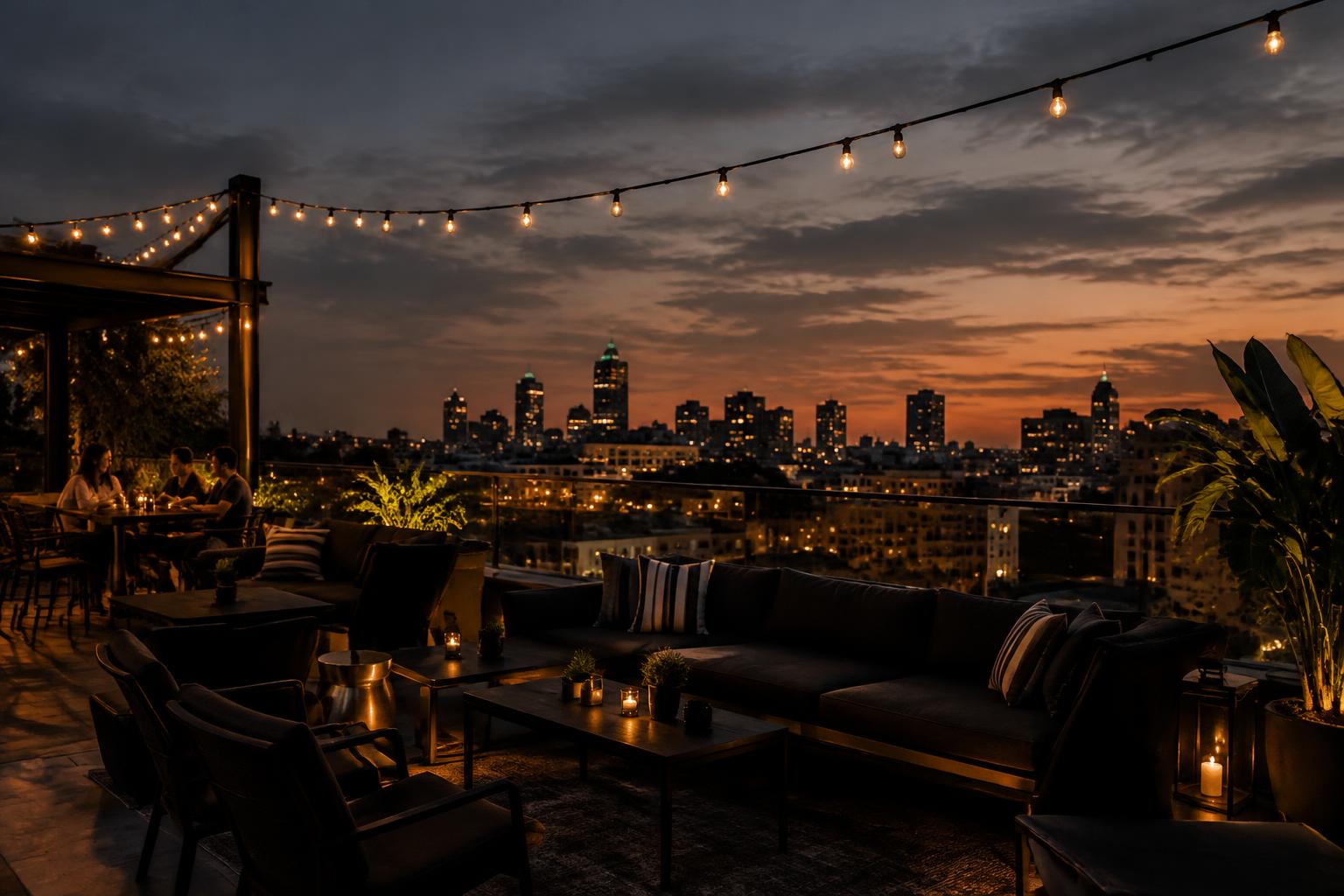
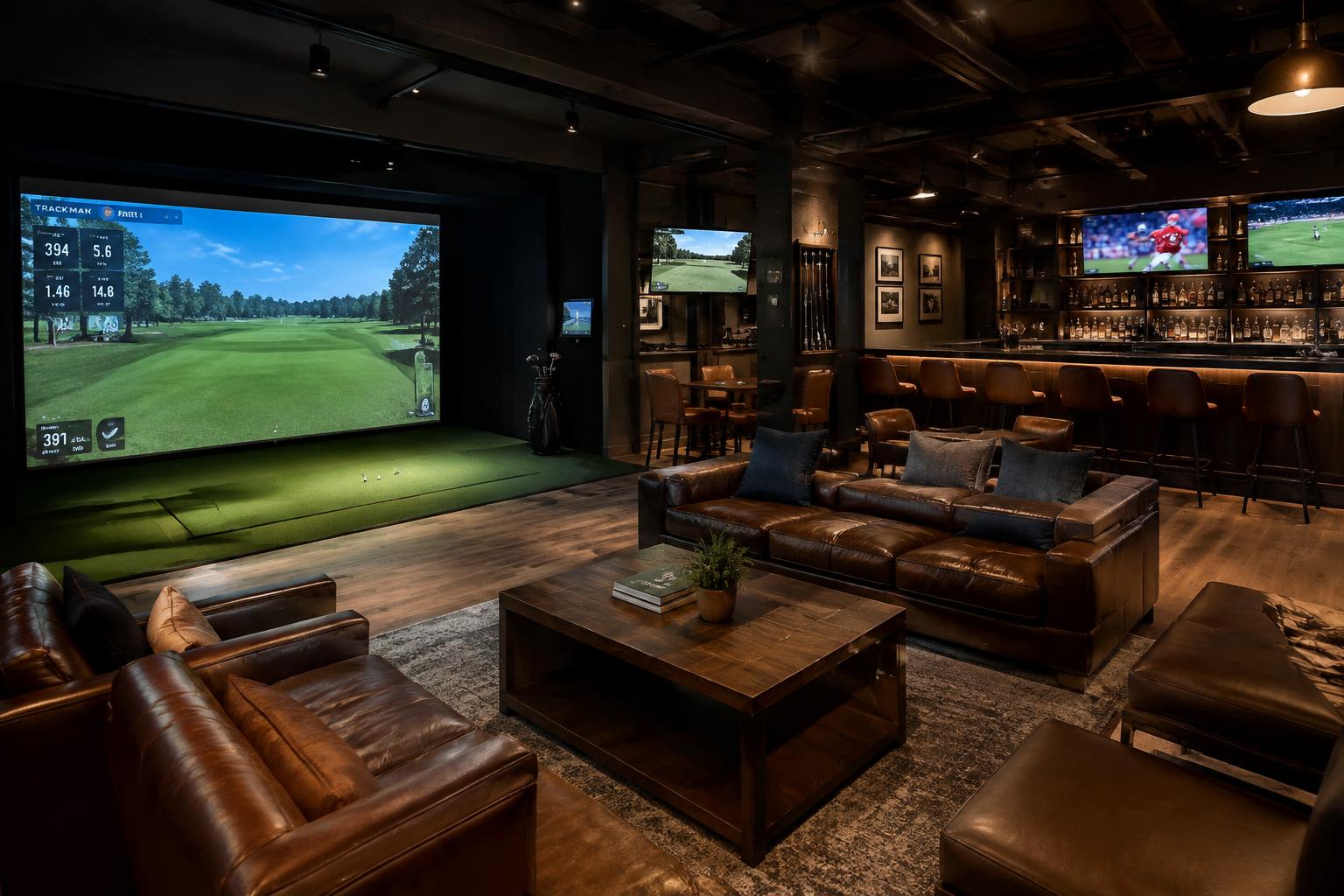
Hospitality and entertainment uses — rooftop venues, restaurants, event spaces, activity-based concepts — bring visitors in the evenings and on weekends, when office use is quiet. That extends the hours a building is active.
Benefits to neighborhoods
- More foot traffic across more hours of the day.
- Less reliance on driving for everyday errands.
- Efficient use of land and existing infrastructure downtown.
- A broader tenant base, which can make a property more resilient to changes in any single market.
Mixed-use and adaptive reuse
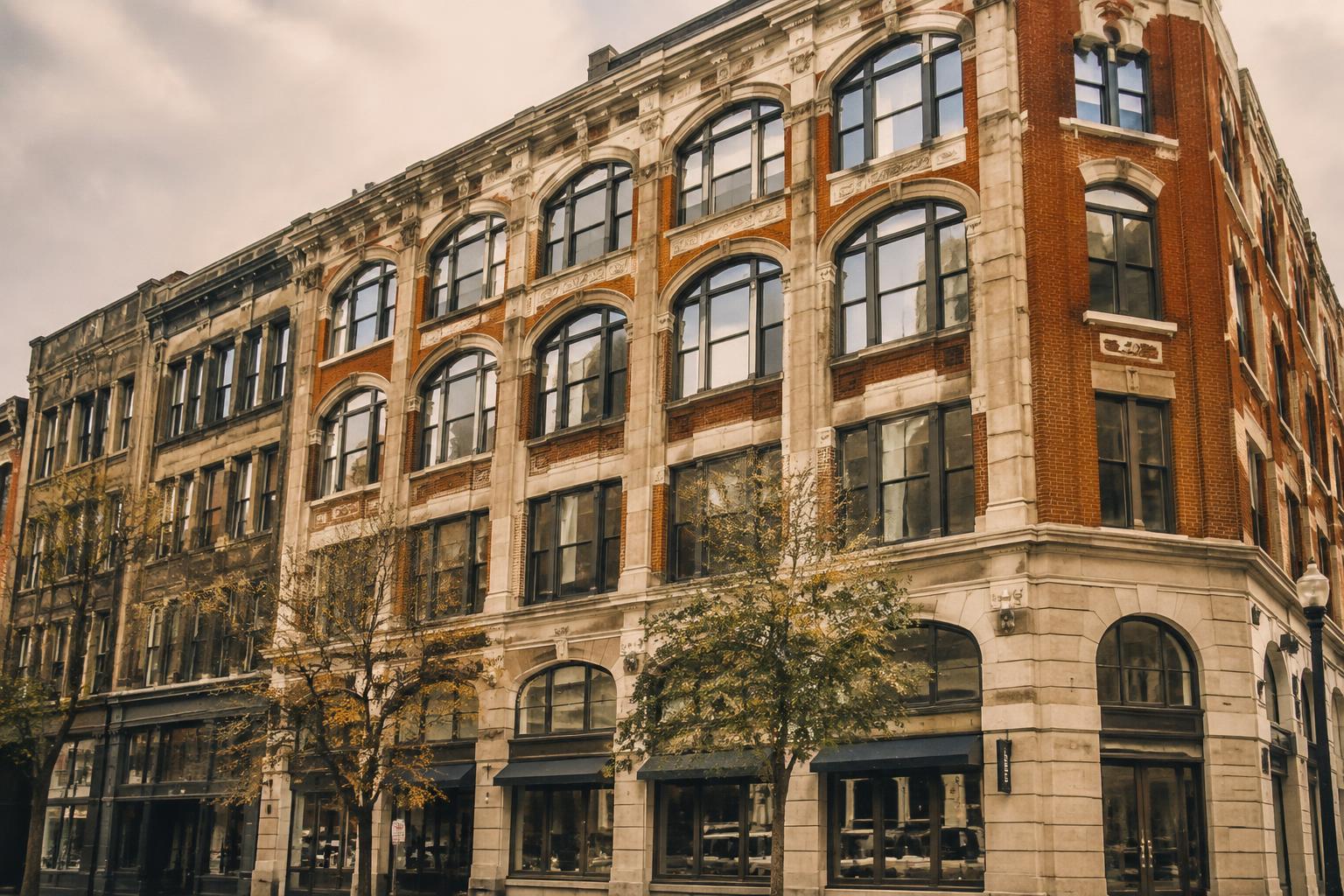
Many mixed-use projects in older cities are adaptive reuse projects. Large historic buildings are often too big for one modern user, so dividing them among several uses is a natural fit.
Downtown examples in NEPA
Downtown Scranton and downtown Wilkes-Barre both have historic buildings that now combine apartments with ground-floor commercial space. Converting upper floors to residential use has been a common strategy in both cities.
The Oppenheim Building
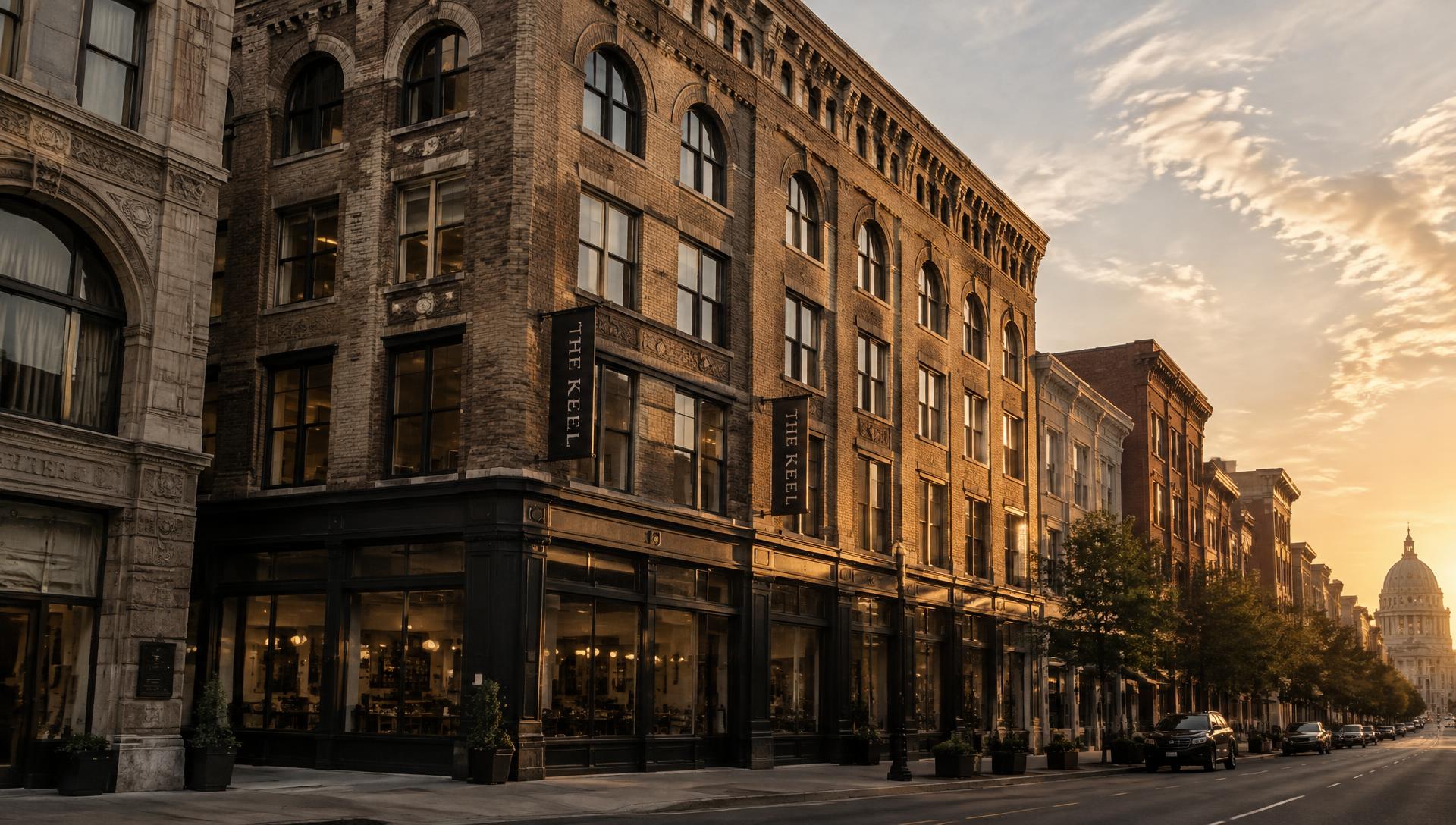
D&D Realty Group's Oppenheim Building at 409 Lackawanna Avenue in Scranton combines apartments, offices, retail and restaurant space in a historic downtown structure. Hospitality and entertainment are part of the mix: 7 Under Golf & Social occupies the first floor and The Roof at Oppenheim sits on top.
Frequently asked questions
Is mixed-use the same as multi-family?
No. Multi-family is purely residential. Mixed-use combines residential with at least one other use such as retail, office or hospitality.
What are the downsides of mixed-use?
Design and management are more complex: different uses have different code requirements, hours, noise levels and service needs that must be planned for.